Welcome to the blog for Practical Solutions for Behavior and Instruction LLC. Here, I delve into the philosophy and approach behind my business, highlighting the areas of need in our society that can benefit individuals with autism and other disabilities. My goal is to address barriers to progress and foster the development of skills necessary for living as independently as possible, leading to a meaningful and happy life. Through quality training of staff and families individuals have access.
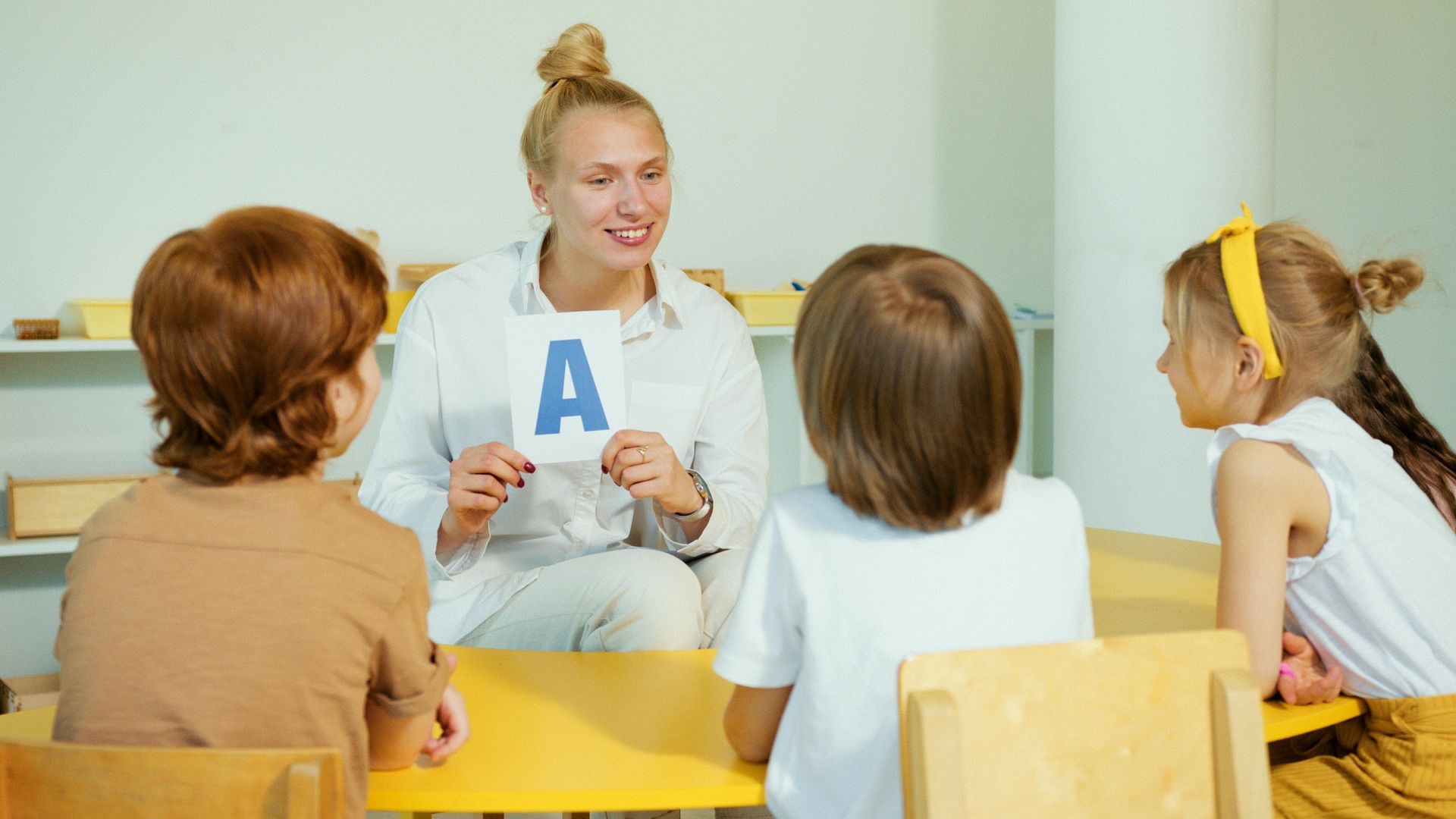
Welcome to the blog for Practical Solutions for Behavior and Instruction LLC. Here, I delve into the philosophy and approach behind my business, highlighting the areas of need in our society that can benefit individuals with autism and other disabilities. My goal is to address barriers to progress and foster the development of skills necessary for living as independently as possible, leading to a meaningful and happy life. Through quality training of staff and families individuals have access.

Welcome to the blog for Practical Solutions for Behavior and Instruction LLC. Here, I delve into the philosophy and approach behind my business, highlighting the areas of need in our society that can benefit individuals with autism and other disabilities. My goal is to address barriers to progress and foster the development of skills necessary for living as independently as possible, leading to a meaningful and happy life. Through quality training of staff and families individuals have access.
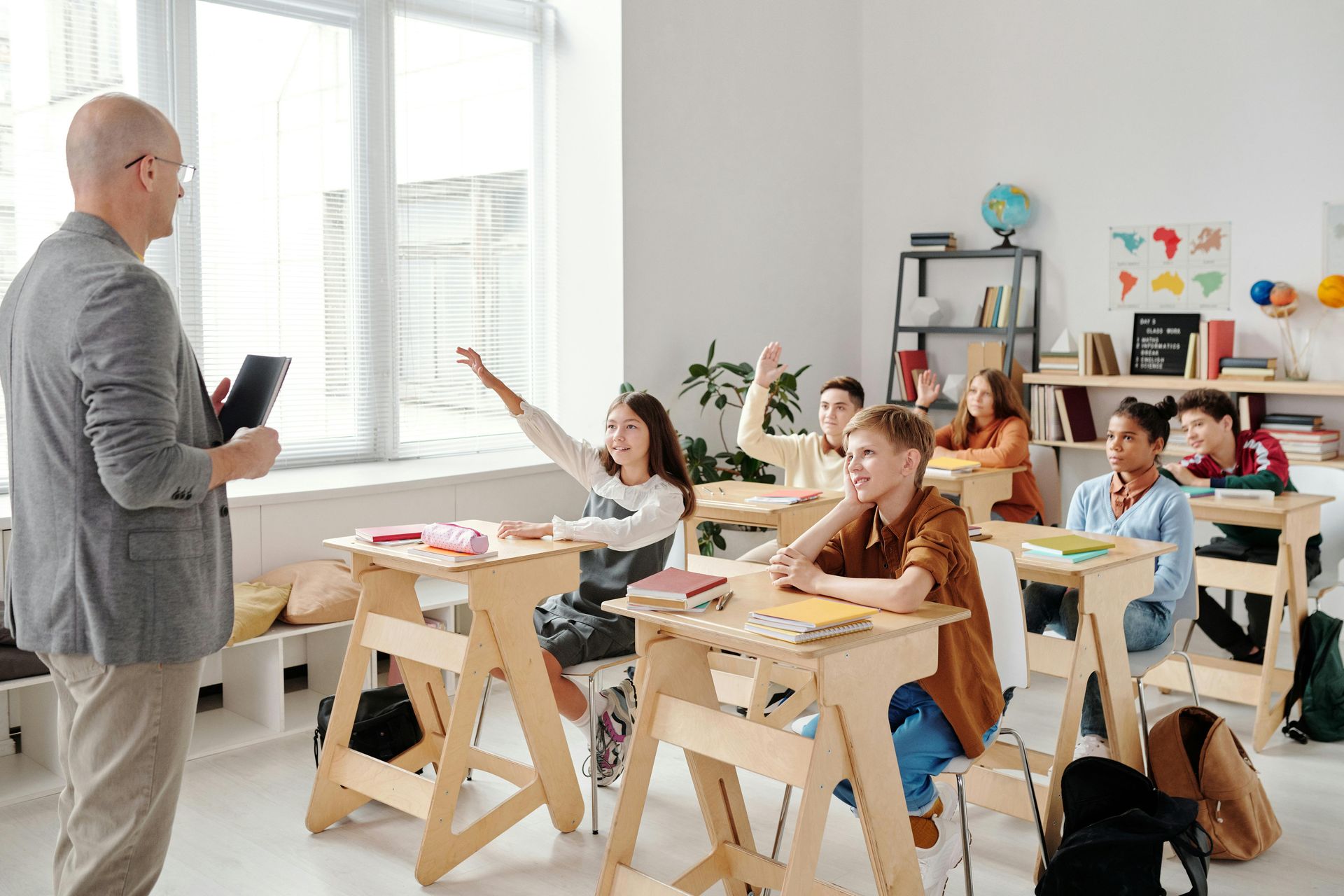
Welcome to the blog for Practical Solutions for Behavior and Instruction LLC. Here, I delve into the philosophy and approach behind my business, highlighting the areas of need in our society that can benefit individuals with autism and other disabilities. My goal is to address barriers to progress and foster the development of skills necessary for living as independently as possible, leading to a meaningful and happy life. Through quality training of staff and families individuals have access.
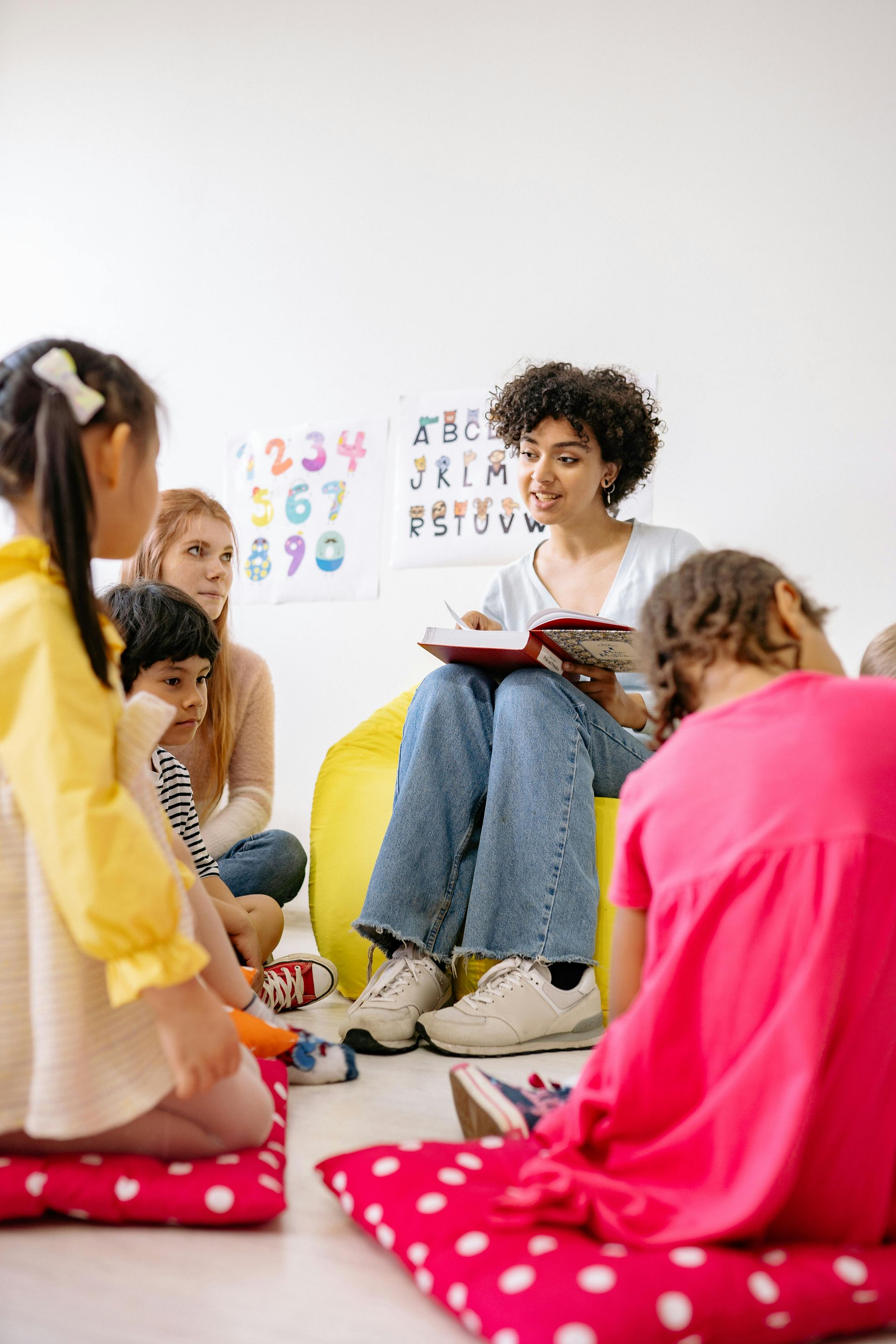
...it means every student gets what they need to feel safe, learn, and grow. When “Fairness” Hurts: Rethinking Equity and Support There’s a popular image in education circles: three children of different heights stand behind a fence, watching a baseball game. In the first frame, only the tallest can see. In the second, each child stands on a box sized to their height so all three can see. It’s used to show the difference between equality (everyone gets the same) and equity (everyone gets what they need).

Foundational Learning Skills (also referred to as Learning-How-to-Learn Skills).