Progressive ABA: Practical instruction at home and school

Julie Williams • February 11, 2026

Share this article

Welcome to the blog for Practical Solutions for Behavior and Instruction LLC. Here, I delve into the philosophy and approach behind my business, highlighting the areas of need in our society that can benefit individuals with autism and other disabilities. My goal is to address barriers to progress and foster the development of skills necessary for living as independently as possible, leading to a meaningful and happy life. Through quality training of staff and families individuals have access.
What is Progressive ABA Training?


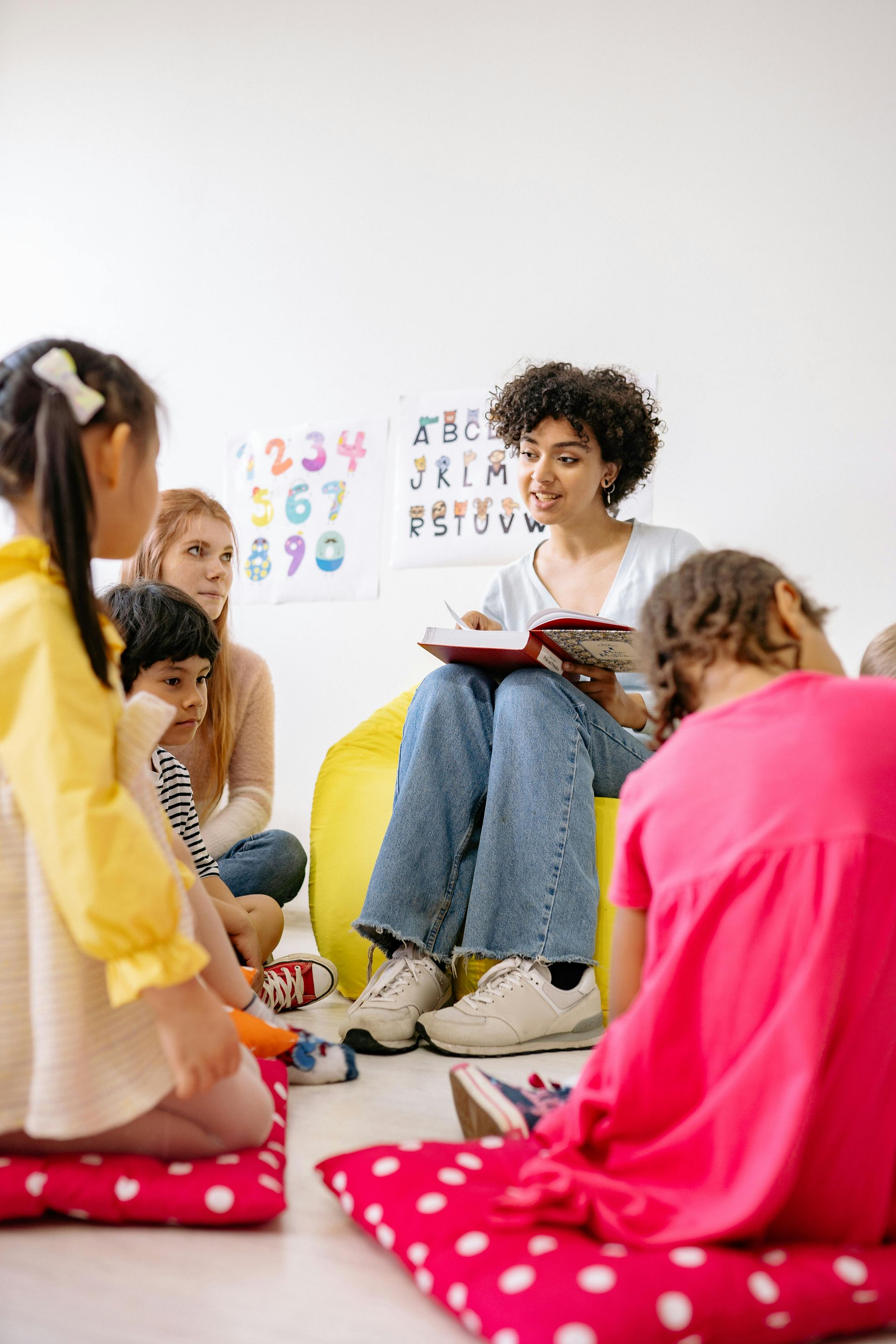
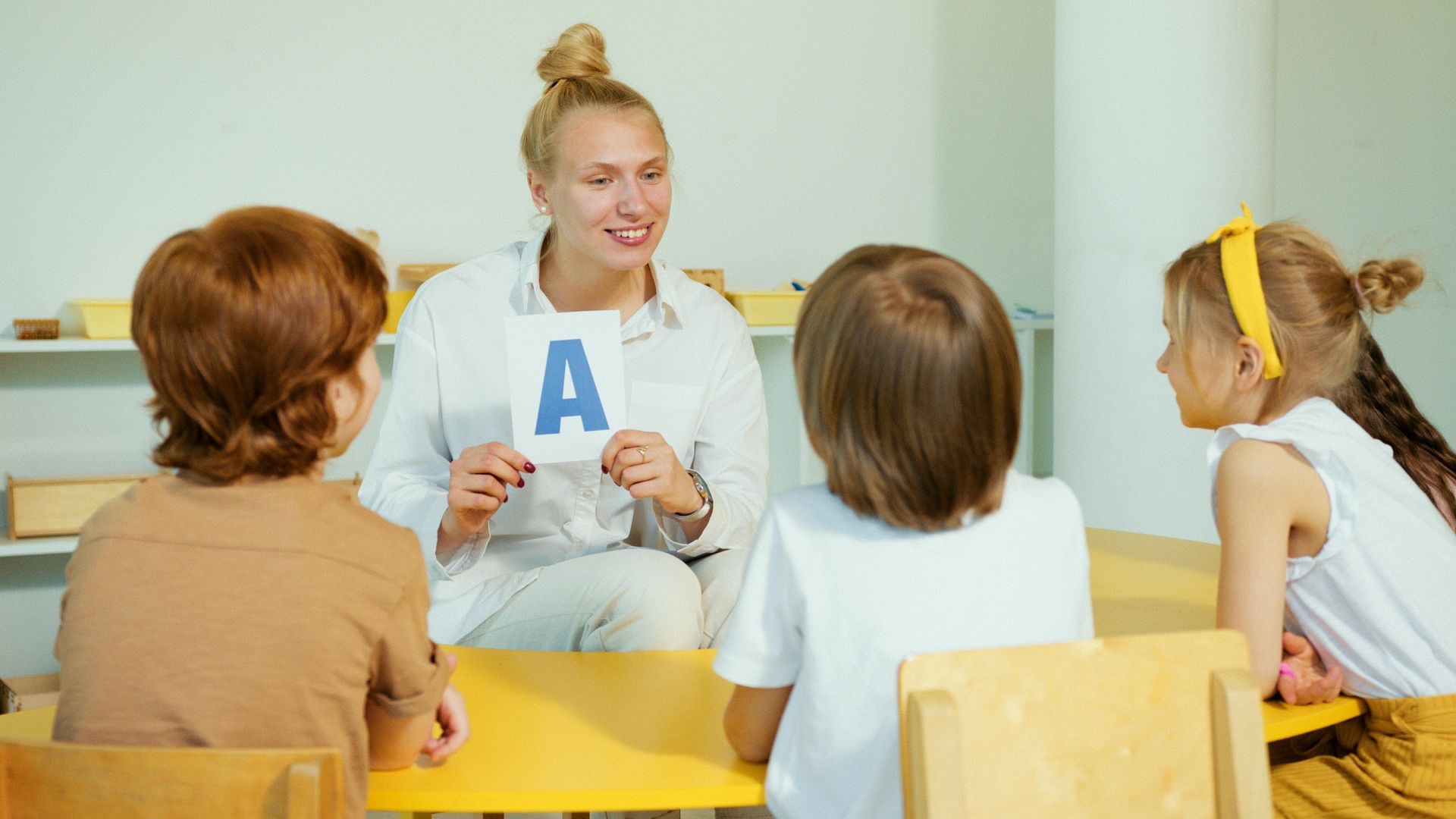
Progressive Applied Behavior Analysis (ABA) training focuses on creating individualized programs tailored to meet the unique needs of each student, class, or educational program. The core of this approach is flexibility, adaptability, and a commitment to fostering an environment where learners can thrive.

My Goals for Professional Development   


As I strive to enhance my professional development in progressive ABA training, my objectives include:


  • Tailored Professional Development: Professional development is customized to meet the specific needs of school districts. Offerings can range from a few hours of virtual training to more intensive five-day workshops that involve direct, hands-on work with staff and students. Follow-up consultations and coaching within the classroom are also available to ensure continued support.


  • Individualized Programs: Design and implement programs that cater specifically to the needs of each student or class, ensuring that every learner receives the support they require.


  • Collaborative Classroom Environments: Work closely with staff to develop effective classroom settings. This includes optimizing physical arrangements, schedules, and curriculum targets to create a conducive learning atmosphere.


  • Natural Learning Environments: Collaborate with educators to design and deliver instruction in natural settings, making learning more relevant and engaging for students.


  • In-the-Moment Decision Making: Train staff to develop skills that promote flexible, learner-driven decision-making. This approach moves away from overly rigid protocols and fosters a dynamic learning experience.


  • Foundations of Learning: Help staff understand and address the foundational skills required for learning how to learn. This essential knowledge empowers educators to support their students effectively.


  • Prompting Strategies: Educate staff on how and when to use prompts, identify the most effective prompting methods, and fade prompts quickly to encourage learner independence.


  • Promoting Independence: Emphasize training that leads to learner independence, maximizing skills and capabilities to foster a positive and productive life.


  • Interdisciplinary Approach: Professional development is designed not only for teachers but also for service providers and school psychologists. Many professionals benefit tremendously when these strategies are applied in assessment settings, allowing for more accurate results that drive the IEP process, making it a more effective tool.


Building Capacity and Equity


My vision extends beyond individual programs; I aim to build capacity within educational settings to ensure sustainability, equity, and dignity for all learners. By focusing on meaningful skills, I strive to help individuals lead happy, productive lives.


Conclusion


Progressive ABA training is not just a method; it’s a philosophy that champions individualized learning and collaborative support. Through my commitment to professional development, I hope to create impactful changes that resonate in the lives of both students and educators.

Recent Posts

By Julie Williams February 5, 2026
Welcome to the blog for Practical Solutions for Behavior and Instruction LLC. Here, I delve into the philosophy and approach behind my business, highlighting the areas of need in our society that can benefit individuals with autism and other disabilities. My goal is to address barriers to progress and foster the development of skills necessary for living as independently as possible, leading to a meaningful and happy life. Through quality training of staff and families individuals have access.

By Julie Williams January 27, 2026
...it means every student gets what they need to feel safe, learn, and grow. When “Fairness” Hurts: Rethinking Equity and Support There’s a popular image in education circles: three children of different heights stand behind a fence, watching a baseball game. In the first frame, only the tallest can see. In the second, each child stands on a box sized to their height so all three can see. It’s used to show the difference between equality (everyone gets the same) and equity (everyone gets what they need).

By Julie Williams January 22, 2026
In education and behavior intervention, “trauma-informed” has become an essential buzzword and rightly so.

November 12, 2025
Foundational Learning Skills (also referred to as Learning-How-to-Learn Skills).